
Crypto slang
What Are Paper Hands in Crypto?
Short answer
Paper hands is crypto slang for someone who sells too early — the trader who folds at the first sign of red instead of holding through it. It's the derogatory opposite of 'diamond hands,' usually thrown as 🧻🤲. The label is sometimes fair — panic-selling the bottom is a real and costly mistake — but it's far more often a pressure tactic, aimed at anyone who takes profit or cuts a loss, because the accuser needs buyers and holders. A sell made for a reason is a decision; 'paper hands' is just the name for a sell someone else doesn't want you to make.
Key takeaways
- Paper hands = selling too early, at the first sign of a dip (🧻🤲).
- It's the insulting opposite of diamond hands.
- Sometimes fair — panic-selling the bottom is a real, costly mistake.
- More often it's a pressure tactic aimed at anyone who takes profit or cuts a loss.
Where the word comes from
Paper hands is the mirror image of diamond hands, and it came from the same place: the Reddit stock and crypto communities that turned holding through a crash into a social identity. Where 💎🙌 signals unbreakable conviction, 🧻🤲 signals a grip so weak it tears like paper the moment the chart dips. The pair is a small morality play about investing — the diamond hand is the hero, the paper hand the cautionary figure — and like most morality plays, it oversimplifies on purpose.
When the label is fair
The panic-sell is a real thing and it’s expensive. Selling into a dip because the price dropped — not because anything about the asset changed — locks in the loss at the worst moment, right before the part where the asset usually recovers or keeps falling, and you’ll never know which because you already left. The trader who buys on FOMO near the top and sells on panic near the bottom is the exact figure paper hands was coined to describe, and they’re everywhere at every cycle’s extremes.
Why the insult is usually noise
But the word is aimed wrong more often than it’s aimed right. The people most eager to call you paper hands are the ones who need you to not sell — the holders who want your bid underneath their exit, or the group chat that’s been chanting “hold the line” since before it mattered. From that angle, “paper hands” isn’t an analysis of your timing, it’s a request dressed as an insult. The tell is the same as with FUD: watch who benefits. If the accuser gains from you holding, treat the accusation as marketing.
How do you tell a bad sell from a good one?
The test has nothing to do with the chart and everything to do with the plan. A sell made because your thesis broke, your size was wrong, or your pre-set exit was hit is a decision — even if the price later went up, it was correct at the time given what you knew. A sell made because the candle was red and your stomach dropped is paper hands — even if the price kept falling and you got lucky. The fix for the second kind isn’t more grit, it’s deciding before you enter: a position you can hold, a reason written down, and an exit that fires on a rule instead of an emotion.
Frequently asked questions
Is selling at a loss always paper hands?
Who uses the term 'paper hands' and why?
How do you avoid being paper hands without becoming a bag holder?
Related terms

Editor-in-Chief & Lead Researcher
Editor of MyCryptoStart. Independent researcher of cryptocurrency exchanges, focused on fees, security, KYC, and onboarding — publishes step-by-step guides in plain English for beginners.
View author page →Some links on this page are affiliate links: we may earn a commission at no extra cost to you. This content is educational and is not financial, investment, or legal advice. Affiliate disclosure · Disclaimer.
Learn more about Paper Hands
Our full guides that cover this term in depth.

How to Trade Crypto: A Beginner's Guide (2026)
How to trade crypto safely: choose a licensed exchange, fund your account, place a market or limit order, and manage risk with stop-losses. A no-hype guide.
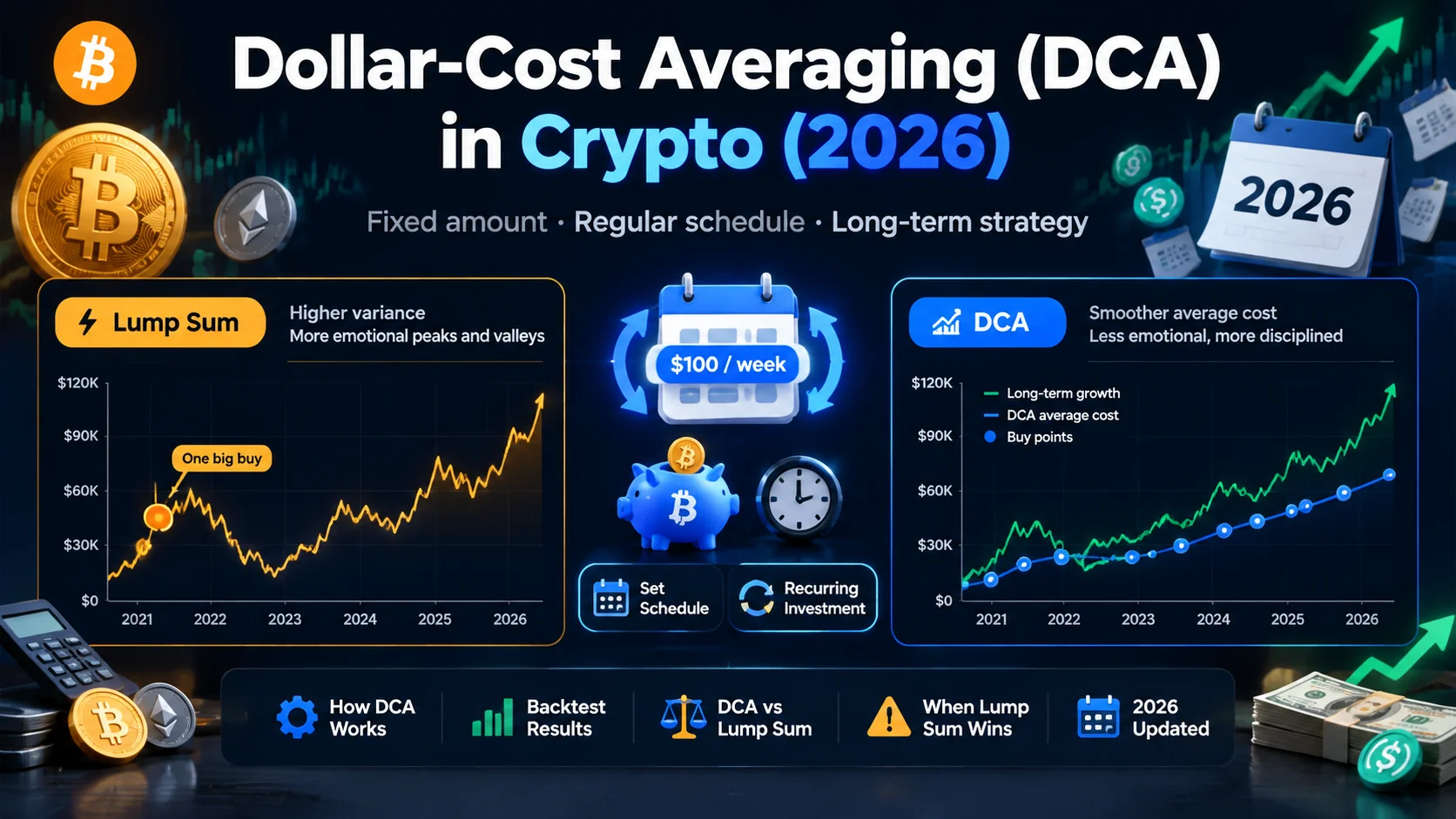
Dollar-Cost Averaging (DCA) in Crypto (2026)
Dollar-cost averaging buys a fixed dollar amount of crypto on a set schedule. Learn how DCA works, what backtests show, and when lump sum wins.