
Crypto slang
What Does DYOR Mean in Crypto?
Short answer
DYOR stands for 'do your own research' — the standing reminder that in crypto, nobody is accountable for the advice they give you, so the responsibility for every buy rests with you. It's the honest answer to 'should I buy this?' and also, increasingly, a dodge: influencers append DYOR to reckless tips as a disclaimer, and projects wave it at awkward questions. Real DYOR means reading the primary source — the docs, the token, the team — not the comment section, and it's the single habit that separates the people who get scammed from the people who don't.
Key takeaways
- DYOR = 'do your own research' — the responsibility for a buy is yours alone.
- It's the honest answer to 'should I buy this,' and also a disclaimer used to dodge blame.
- Real research means the primary source: docs, token, team, on-chain — not influencers.
- The people who skip it are the ones every scam is designed for.
Where the word comes from
DYOR is the crypto community’s version of “caveat emptor” — let the buyer beware — compressed into a three-letter verb. It became a mantra because the market’s structure demands it: there’s no broker with a fiduciary duty, no regulator who’ll restore your funds, and a constant flow of people whose income depends on you buying what they hold. In that environment, “should I buy this?” has exactly one honest answer — do your own research — because the person asking you to buy has already done their research, and it’s about you.
What real research is not
The phrase has been hollowed out by misuse, so it’s worth being precise about what it doesn’t mean. It doesn’t mean watching three YouTube videos that agree with each other. It doesn’t mean reading the project’s own announcement channel, which is marketing by definition. And it doesn’t mean asking the group chat, whose loudest members are the ones holding the heaviest bags. All of that is consuming a narrative — you’re reading the commentary, not the thing. The distinction matters because every rug pull and every scam is engineered around the gap between the narrative and the reality, and the only way across that gap is the primary source.
What real research actually is
A working checklist, in rough order of usefulness. The docs — what does this thing actually do, in the project’s own technical language, and does it need a token at all? The token — how is supply distributed, who are the largest holders, is the liquidity locked; a block explorer answers this in minutes. The team — is it public and verifiable, or an anonymous group with an anime avatar? The on-chain activity — is anything real happening, or is the “adoption” just a chart and a promise? None of it is glamorous, and none of it has ever gone viral, which is precisely the point: research that’s boring to do is expensive to fake.
Why DYOR is the cheapest insurance you’ll ever buy
Here’s the uncomfortable math: the ten minutes it takes to check a token’s holders and liquidity is the difference between a bad trade and a total loss. A position you can’t explain in a sentence is a position you can’t hold through a drawdown, and a tip that dies on contact with the docs is a tip that was going to cost you money. Our scam rundown is essentially a structured version of DYOR for the most common attacks. The habit scales down as cleanly as it scales up: before any buy, big or small, the move that matters isn’t the chart — it’s the ten minutes of primary-source reading that tells you whether you’re investing in a project or buying a narrative.
Frequently asked questions
Why does everyone say DYOR?
What does real research actually look like?
Is DYOR sometimes used as a cop-out?
Related terms

Editor-in-Chief & Lead Researcher
Editor of MyCryptoStart. Independent researcher of cryptocurrency exchanges, focused on fees, security, KYC, and onboarding — publishes step-by-step guides in plain English for beginners.
View author page →Some links on this page are affiliate links: we may earn a commission at no extra cost to you. This content is educational and is not financial, investment, or legal advice. Affiliate disclosure · Disclaimer.
Learn more about DYOR
Our full guides that cover this term in depth.
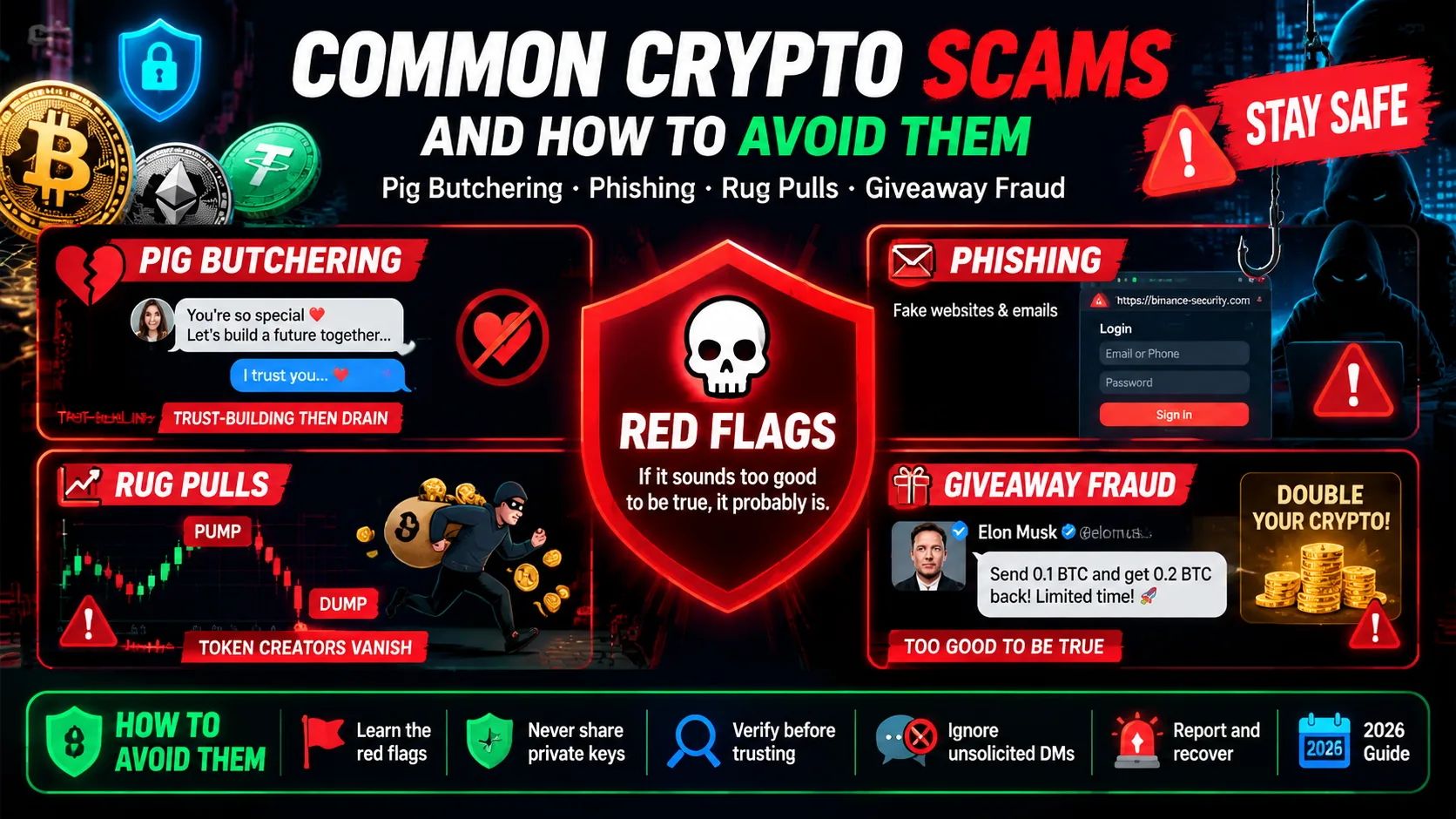
Common Crypto Scams and How to Avoid Them
The most common crypto scams — pig butchering, phishing, rug pulls, and giveaway fraud — how each works, the red flags, and what to do if scammed.
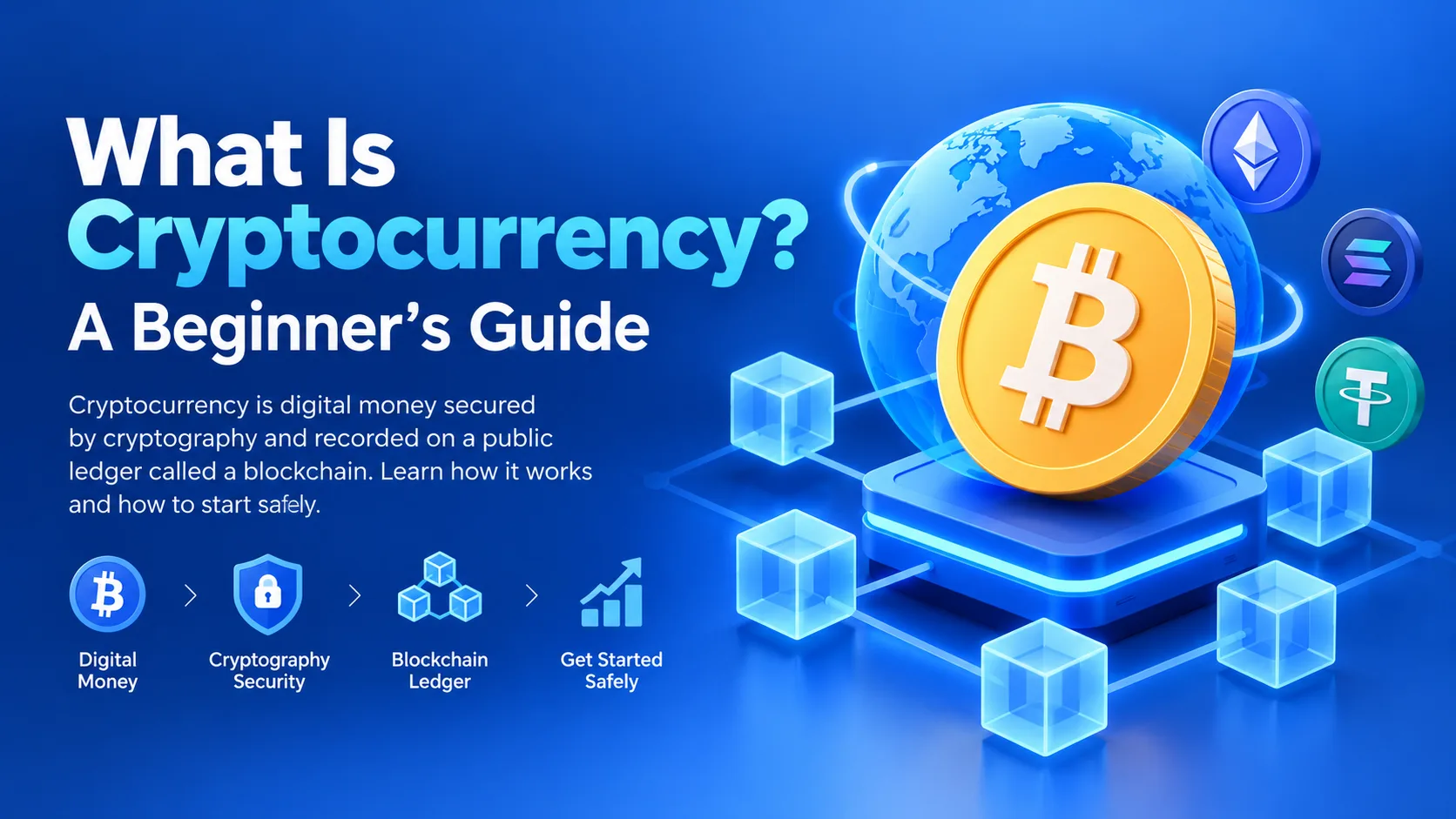
What Is Cryptocurrency? A Beginner's Guide
Cryptocurrency is digital money secured by cryptography and recorded on a public ledger called a blockchain. Learn how it works and how to start safely.